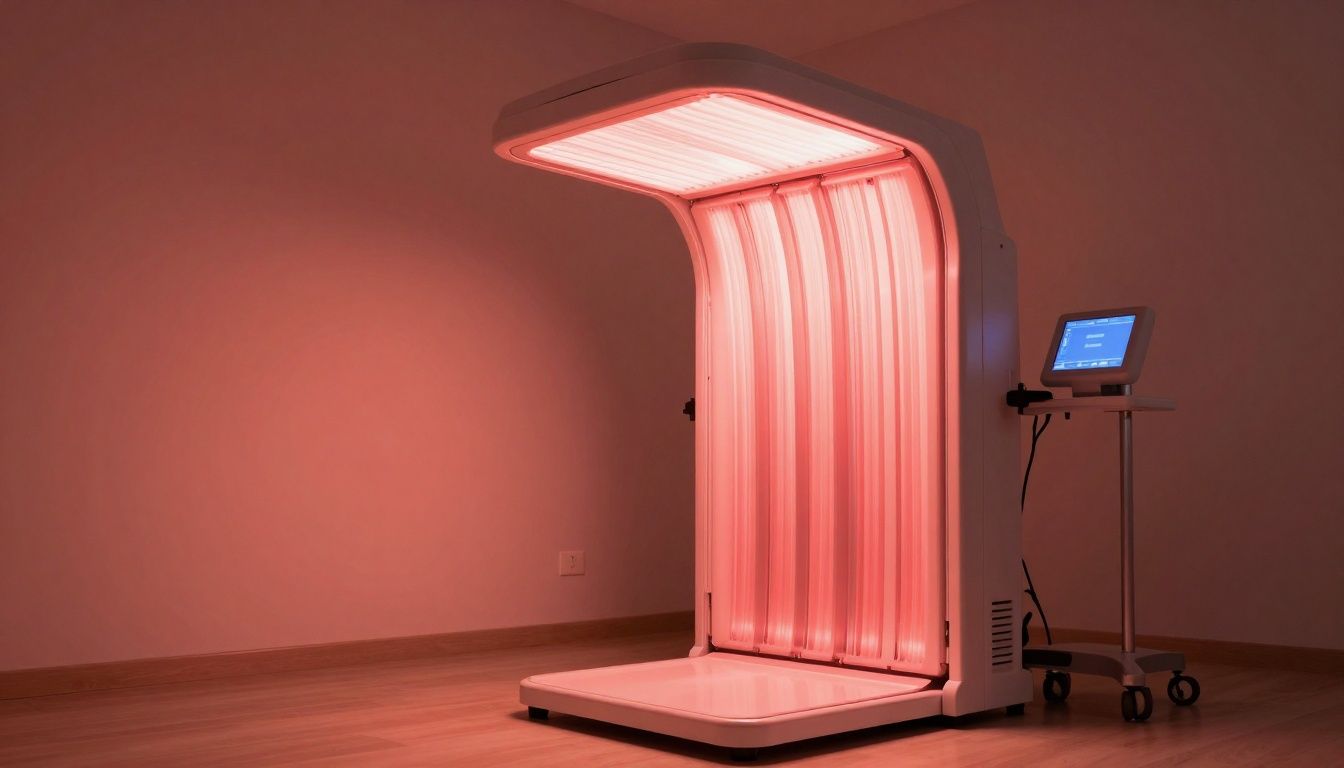
Looking for a way to feel better in Seattle? Red light therapy might be something to check out. It uses specific light colors to help your body out, from your skin to your muscles. People are finding it helps with all sorts of things, and there are places in Seattle where you can try it. Let’s see what it’s all about and where you can find it.
Key Takeaways
-
Red and near-infrared light therapy works by stimulating cells to produce more energy and reduce inflammation, helping with skin, muscles, and joints.
-
Benefits include better skin health, faster muscle recovery, reduced inflammation, and improved joint function.
-
Several wellness centers in Seattle offer red light therapy sessions, often in private cabins with professional-grade equipment.
-
Sessions typically last about 10 minutes and can be optimized by staying hydrated and attending regularly.
-
You can also find devices for home use, and some centers offer memberships for consistent treatment.
Discover Red Light Therapy In Seattle
What Is Red And Near-Infrared Light Therapy?
Red and near-infrared light therapy, sometimes called photobiomodulation, uses specific wavelengths of light to interact with your body on a cellular level. Think of it like giving your cells a little energy boost. Red light, with wavelengths around 660nm, works more on the surface, helping with skin health. Near-infrared light, at around 850nm, penetrates deeper, reaching muscles and joints. It’s a natural process that encourages your cells to function better. This isn’t about heat like in a sauna; it’s about using light’s energy for healing and recovery. It’s a pretty neat way to support your body’s natural processes.
The Science Behind Cellular Rejuvenation
At the core of red and near-infrared light therapy is the mitochondria, often called the powerhouses of your cells. When these specific light wavelengths hit your cells, they’re absorbed by the mitochondria. This absorption helps the mitochondria produce more ATP, which is the main energy currency for your cells. More ATP means your cells can do their jobs more efficiently, like repairing themselves and reducing inflammation. It’s a bit like jump-starting your cellular engines. This process can lead to a cascade of positive effects throughout your body, promoting overall wellness.
Benefits Of Red Light Therapy For Wellness
People are turning to red light therapy for a variety of reasons, and the benefits can be quite broad. It’s not just for athletes looking to recover faster, though that’s a big one. Many find it helps with skin concerns, leading to a clearer, more vibrant complexion. Others use it to manage everyday aches and pains, particularly in joints. There’s also evidence suggesting it can help improve sleep quality and boost overall energy levels. It’s a versatile tool for anyone looking to support their body’s natural healing and maintenance systems. You can experience Red & Near-Infrared Light Therapy for a 10-minute recharge at Float Seattle.
Here’s a quick look at some common benefits:
-
Supports skin health and appearance
-
Aids in muscle recovery after exercise
-
Helps reduce inflammation and discomfort
-
Can contribute to better sleep patterns
-
May increase energy levels
Experience The Healing Power Of Light
How Red Light Therapy Enhances Skin Health
Red light therapy works on a cellular level to help your skin look and feel better. The specific wavelengths used, like 660nm red light, can get into the top layers of your skin. There, they signal your cells to produce more energy, which helps with repair and regeneration. This can lead to a reduction in fine lines and wrinkles, and a more even skin tone. It’s like giving your skin cells a little boost to do their best work. Many people notice a brighter complexion and a reduction in redness after regular sessions.
Accelerate Muscle Recovery With Red Light
After a tough workout, your muscles can feel pretty beat up. Red and near-infrared (NIR) light therapy can help speed things up. NIR light, with its longer wavelengths, penetrates deeper into your tissues, reaching your muscles and joints. It helps reduce inflammation that causes soreness and stiffness. Think of it as helping your body clear out the waste products from exercise and get the resources it needs to rebuild. This means less downtime and getting back to your activities sooner.
Reduce Inflammation And Joint Pain
Inflammation is a common cause of pain, especially in your joints. Red and NIR light therapy has shown promise in calming down this inflammation. By interacting with the mitochondria in your cells, the light helps reduce the production of inflammatory markers. This can lead to a noticeable decrease in joint pain and stiffness. For those dealing with chronic joint issues or recovering from injuries, it offers a non-invasive way to find some relief. It’s a gentle approach that supports your body’s natural healing processes.
The science behind this therapy involves photobiomodulation, where light energy is absorbed by cells. This absorption triggers a cascade of beneficial effects, including increased cellular energy production and reduced oxidative stress. It’s a way to support your body’s own repair mechanisms without harsh chemicals or invasive procedures.
Find Red Light Therapy Centers Near You
Seattle Wellness Clinics Offering Red Light Therapy
Looking for a place to experience red and near-infrared light therapy in Seattle? Several wellness centers and clinics around the city now provide this innovative treatment. These facilities often use professional-grade panels, similar to those trusted by athletes and recovery studios, to give you a full-body session. They aim to create a calm, private environment so you can just relax and let the light do its work. It’s a great way to see if this therapy is right for you without investing in your own equipment just yet.
Locations For Red Light Therapy Sessions
When searching for a center, you’ll find options scattered throughout Seattle and its surrounding areas. Some places might focus solely on light therapy, while others integrate it into a broader range of wellness services like float tanks or infrared saunas. It’s worth checking out clinics in neighborhoods like South Lake Union or Greenwood, as these areas often have a good concentration of modern wellness spots. Always check their website or give them a call to confirm their current hours and specific services.
Booking Your Red Light Therapy Appointment
Ready to book? Most centers make it pretty straightforward. You can usually book online through their website, which often shows available time slots. Some places might prefer you call them directly, especially if you have questions or want to combine your session with another service. A typical session lasts about 10 minutes, so they’re easy to fit into a busy schedule. Booking in advance is usually a good idea, especially if you’re aiming for specific times or days.
Here’s a general idea of what to expect when booking:
-
Check Availability: Look at their online schedule or call.
-
Choose Your Session: Decide if you want a single session or a package.
-
Provide Information: You’ll likely need to give your name and contact details.
-
Confirm Appointment: Get a confirmation via email or text.
Remember to ask about any introductory offers or package deals. Sometimes buying a pack of sessions can save you money in the long run if you plan on going regularly.
Understanding Your Red Light Therapy Session
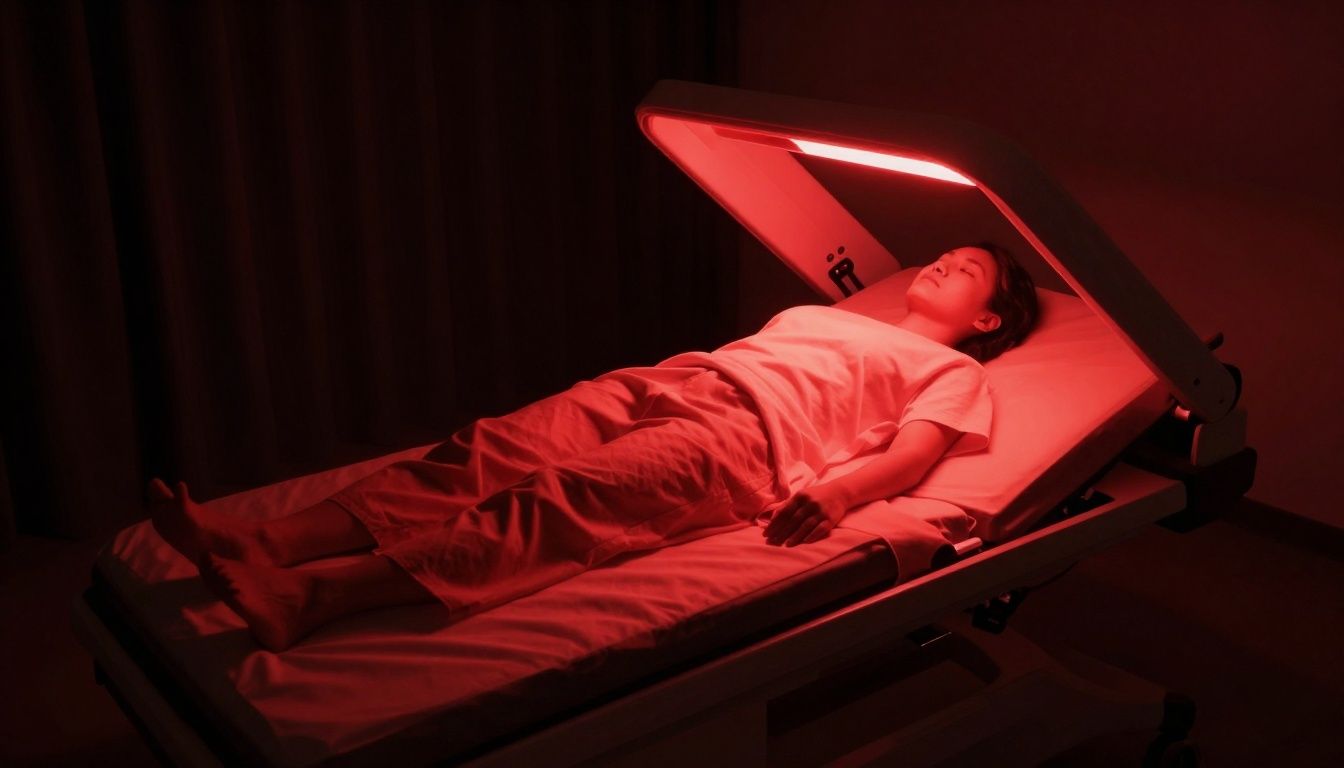
So, you’re curious about what actually happens during a red light therapy session? It’s pretty straightforward, really. Think of it as a relaxing, quiet time to let the light do its work. Most places will have private rooms or booths for you to use. You’ll usually be asked to remove any oils or makeup from the area you want to treat, as this can block the light. Then, you’ll disrobe to whatever level you feel comfortable with – the more skin exposed, the better the light can reach your cells.
What To Expect During A Session
When you step into the treatment area, you’ll likely see panels or a full-body booth. You’ll be given special protective eyewear, kind of like sunglasses, to shield your eyes from the bright light. The session itself is typically around 10 minutes. You just stand or lie down in front of the panels, or inside the booth, and let the light bathe your body. It’s not hot like a sauna; it’s just a gentle, ambient light. You can just relax, maybe close your eyes, and let the wavelengths do their thing. It’s a pretty passive experience, which is part of the appeal for many people.
Optimizing Your Red Light Therapy Experience
To get the most out of your session, there are a few simple things you can do. First, make sure you’re well-hydrated before and after. This helps your body process everything efficiently. Also, try to expose as much skin as possible to the light. If you’re treating a specific area, like your face or legs, you might just need to undress those parts. Some people like to combine their red light sessions with other wellness practices, like a float or sauna session, for an extra boost.
The core idea is to allow the specific wavelengths of red and near-infrared light to interact with your cells. These wavelengths are chosen because they penetrate the skin at different depths, stimulating cellular activity and promoting natural repair processes without any heat or discomfort.
Frequency And Duration For Best Results
How often you should go really depends on your goals. For general wellness and skin health, a few times a week is often recommended. If you’re looking to recover from intense workouts or deal with specific pain points, you might do sessions more frequently, perhaps 2-3 times a week. For maintenance, once a week might be enough. The duration is usually fixed at around 10 minutes per session, as this is generally considered the optimal time for the light to have its effect without overdoing it. It’s always a good idea to chat with the wellness center staff about what frequency makes sense for you.
Advanced Red Light Therapy Technology
State-Of-The-Art Red Light Devices
When you walk into a professional wellness center, you’re likely to see some pretty impressive equipment. These aren’t your average lamps; they’re sophisticated devices designed to deliver specific wavelengths of red and near-infrared light. Think of them as high-tech tools that use light to talk to your cells. The best ones use panels packed with LEDs that emit light in the 630-660nm range (red light) and 810-850nm range (near-infrared light). These specific wavelengths are chosen because research shows they can penetrate the skin and reach your cells, where they can get to work helping mitochondria produce more energy. It’s all about giving your cells the fuel they need to repair and function better.
Professional Grade Panels For Deep Penetration
What really sets professional-grade equipment apart is its ability to deliver light deep into the body. While red light is great for surface-level issues like skin tone and texture, near-infrared light is the real star when it comes to reaching deeper tissues. We’re talking about muscles, joints, and even nerves. The panels used in clinics are often quite large, covering a significant portion of your body at once. This ensures that the light can penetrate effectively, reaching those deeper cells that need a little extra help. The intensity and coverage are key here; you want a device that can bathe your body in therapeutic light without being too hot or uncomfortable.
Home Use Red Light Therapy Devices
Good news! You don’t have to go to a clinic every time you want to use red light therapy. There are now many devices designed for home use. Some are handheld wands, perfect for targeting small areas like your face or a sore joint. Others are larger panels, similar to what you’d find in a spa, but scaled down for personal use. There are even portable, foldable devices that make it easy to take your therapy on the go. While these home devices might not have the same power output as professional units, they can still be very effective when used consistently. It’s about finding a device that fits your needs and budget, making regular sessions convenient.
Here’s a quick look at what to consider for home devices:
-
Type: Handheld, tabletop, or full-body panel.
-
Wavelengths: Look for devices offering both red (around 660nm) and near-infrared (around 850nm) for broader benefits.
-
Size and Coverage: How much of your body do you want to treat at once?
-
Portability: Do you need something you can travel with?
The technology behind red light therapy has advanced significantly, moving from large, expensive clinic-only machines to more accessible options for personal use. This allows more people to experience the benefits of cellular rejuvenation and improved wellness from the comfort of their own homes.
Integrating Red Light Therapy Into Your Routine
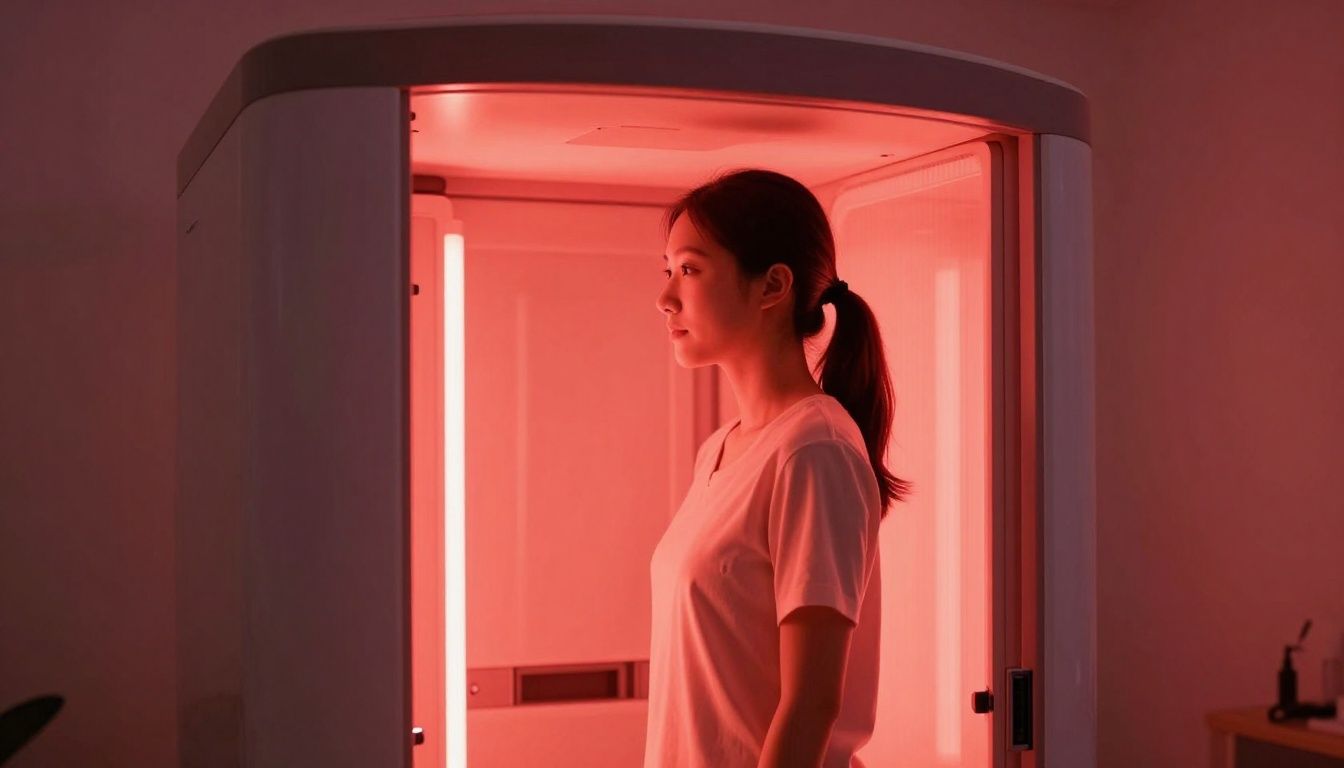
So, you’ve experienced the benefits of red light therapy and are ready to make it a regular part of your wellness journey. That’s awesome! The real magic happens when you consistently incorporate it into your life. Think of it like any other healthy habit – the more you do it, the more you’ll notice the positive changes.
Combine Therapies For Enhanced Wellness
Red light therapy plays really well with other wellness practices. Many people find that pairing it with other treatments can really boost the overall results. For instance, after a float session or a sauna, your body might be more receptive to the light’s wavelengths. Some clinics even offer packages that combine red light therapy with cryotherapy or compression therapy. These combinations can target different aspects of recovery and well-being simultaneously. Imagine a session that addresses muscle soreness, skin health, and relaxation all at once – pretty neat, right?
Red Light Therapy For Athletes And Fitness Enthusiasts
If you’re hitting the gym regularly or training for an event, red light therapy can be a serious game-changer for your recovery. Athletes often use it to speed up muscle repair after tough workouts. The light helps reduce inflammation and soreness, meaning you can get back to training sooner and perform better. It’s not just about recovery, though. Some studies suggest it can even help improve endurance and strength over time. So, whether you’re a pro athlete or just love staying active, adding this to your routine could make a big difference.
Here’s a quick look at how it can help:
-
Muscle Recovery: Speeds up the repair process after exercise.
-
Reduced Soreness: Helps alleviate post-workout aches.
-
Improved Performance: May contribute to better endurance and strength.
-
Injury Prevention: Supports tissue health, potentially lowering risk.
Achieve Your Health Goals With Consistent Treatment
Making red light therapy a habit is key to seeing lasting results. It’s not a one-and-done kind of thing. For most people, aiming for a few sessions per week is ideal, especially when you’re starting out or working towards specific goals like improving skin or managing pain. Once you’ve reached your desired outcome, you might be able to switch to a maintenance schedule, perhaps once a week. Consistency is truly the name of the game here. It’s about supporting your body’s natural processes over time, rather than expecting an instant fix. Remember to stay hydrated before and after your sessions to help your body process everything effectively.
The best results come from making this a regular part of your self-care. Think of it as an investment in your long-term health and vitality, rather than just a quick fix. Building this habit can lead to sustained improvements in how you look and feel.
Wrapping Up Your Red Light Journey in Seattle
So, if you’re in the Seattle area and curious about giving red and near-infrared light therapy a try, it seems like there are some solid options out there. Whether you’re looking to help your skin, recover from workouts, or just feel a bit more energized, these wellness centers are set up to help. It’s definitely worth looking into if you’re seeking natural ways to support your body’s own healing processes. Give it a shot and see how it works for you!
Frequently Asked Questions
What exactly is red and near-infrared light therapy?
Think of red and near-infrared light therapy as a way to give your cells a little energy boost. These special lights use gentle waves that go under your skin. In your cells, there are tiny parts called mitochondria, which are like power plants. This light helps them make more energy, which calms down swelling and makes everything work better. Red light is good for the skin’s surface, while near-infrared light goes deeper to help muscles and joints feel better.
How does this light therapy help my body?
This therapy can help your body in many ways! It can help cuts and injuries heal faster, make your skin look younger by helping it make more collagen, and reduce swelling and pain in your joints. It can also help you recover from workouts more quickly and even help you sleep better by boosting melatonin.
What happens during a red light therapy session?
When you go for a session, you’ll usually be in a private room with special panels. You’ll stand or sit in front of them for about 10 minutes. It’s a pretty relaxing experience, kind of like sitting in the sun, but without the harmful rays. You’ll want to take off any clothes that cover the area you want to treat, and you’ll be given special glasses to protect your eyes.
How often should I do red light therapy?
For the best results, especially for skin and muscle recovery, it’s a good idea to have sessions 2 to 3 times a week. If you just want to keep things going well, once a week can be enough. Consistency is key to seeing the benefits!
Can I use red light therapy at home?
Yes, you can! There are devices you can buy to use at home, like handheld ones or larger panels. This lets you get the benefits whenever you want, even when you’re traveling. It’s a great way to keep up with your wellness routine.
Is red light therapy different from an infrared sauna?
Yes, they are different. While both use infrared light, red light therapy uses very specific light colors (wavelengths) to target certain things, like helping cells make energy or improving skin. Infrared saunas use a wider range of infrared light, mostly for warming up your body and helping you sweat out toxins for general relaxation and wellness.
Leave a Reply